

BSc Nuclear Medicine in Bangalore
What is Nuclear Medicine?
Nuclear medicine is a branch of medical imaging that uses small amounts of radioactive tracers
to diagnose, monitor, and treat health conditions. Unlike conventional imaging, nuclear medicine
shows both the structure and function of organs, giving doctors highly accurate insights.
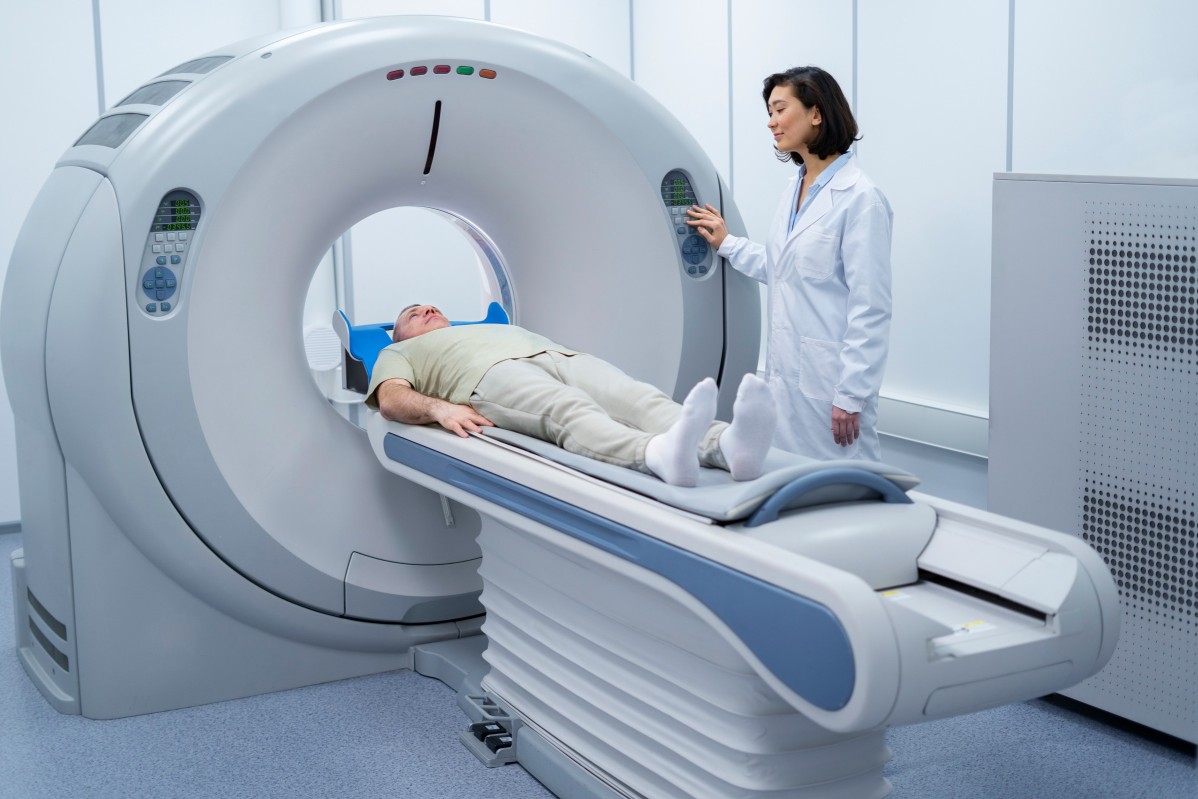
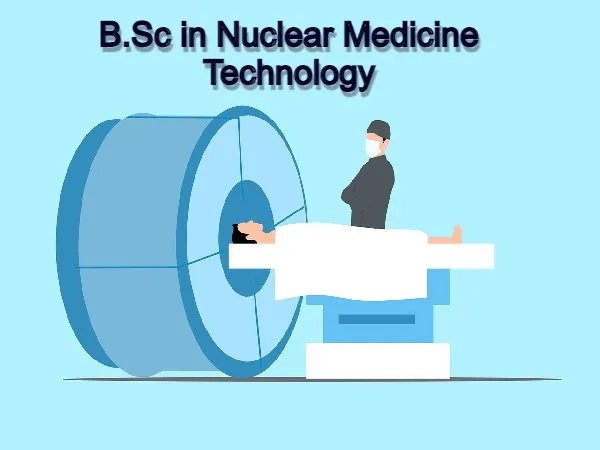
BSc Nuclear Medicine is a specialized undergraduate program that trains students to use
radioactive materials in the diagnosis and treatment of various diseases, especially cancer and
heart conditions. This course combines medical imaging technology, radiopharmaceutical
science, and patient care to produce skilled professionals in the field of nuclear medicine
technology.
If you’re planning to study BSc Nuclear Medicine in Bangalore, our Bangalore Edu Team
provides expert counseling, direct admission assistance, and personalized guidance to
help you secure a seat in top universities and colleges
Highlights of the BSc Nuclear Medicine Program
● Duration: 3 years + 1-year internship
● Approvals: AERB (Atomic Energy Regulatory Board), INC (Indian Nursing Council)
where applicable
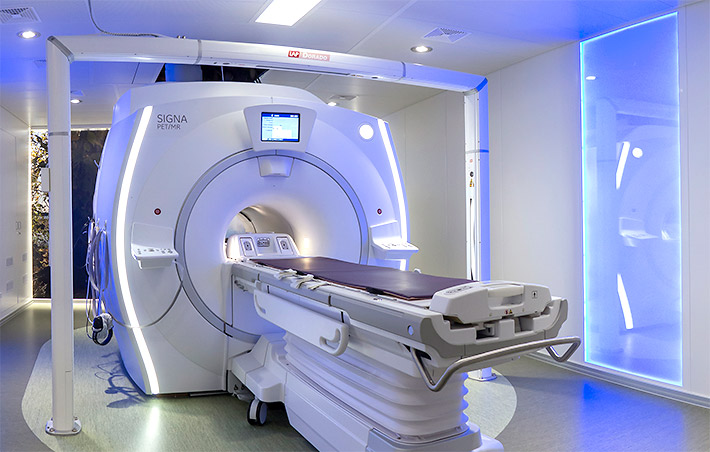
● Training: Hands-on practice in top hospitals with advanced PET-CT, SPECT, and
gamma cameras
● Subjects Covered: Radiopharmacy, Radiation Physics, Nuclear Medicine Imaging,
Radiation Safety
● Hostel & Food: Kerala-style hostel facilities available in selected colleges
● Industry Exposure: Internships at reputed multi-specialty hospitals and research
centers
Eligibility Criteria
● Qualification: 10+2 (Science stream) with Physics, Chemistry, and Biology/Mathematics
● Minimum Marks: 50% aggregate (may vary by college)
● Age Limit: 17 years and above
● Admission Process: Merit-based or direct admission with counseling support
Scope of Work After BSc Nuclear Medicine
Graduates can work in:
● Hospitals & Medical Imaging Centers – as Nuclear Medicine Technologists
● Cancer Research Institutes – for PET-CT scanning and therapy planning
● Diagnostic Centers – handling SPECT and gamma camera imaging
● Government & Private Health Organizations – in nuclear medicine departments
● Overseas Opportunities – in countries with high demand for nuclear medicine
technologists like UAE, UK, Canada, and Australia
Placement Possibilities
● Apollo Hospitals, Bangalore
● HCG Cancer Centre
● Fortis Hospitals
● Narayana Health
● Tata Memorial Centre (Mumbai, placements through tie-ups)
● International recruitment assistance for eligible candidates
Syllabus in Bangalore Colleges
The core subjects include:
● Radiation Physics & Protection
● Radiopharmaceuticals & Radiochemistry
● Nuclear Medicine Instrumentation
● PET & SPECT Imaging Techniques
● Anatomy, Physiology, and Pathology
● Patient Care & Medical Ethics
● Internship & Project Work in Nuclear Medicine Departments
Why Choose Bangalore for BSc Nuclear Medicine?
Bangalore is home to India’s best nuclear medicine colleges, advanced cancer care
hospitals, and strong industry connections. Students benefit from state-of-the-art labs, clinical
exposure, and internship opportunities unmatched in other regions.
What We Offer – Bangalore Edu Team
● Specialized Counseling for BSc Nuclear Medicine admissions
● Direct Admission Assistance in AERB-approved and RGUHS-affiliated colleges
● Scholarship Guidance for eligible students
● Loan Assistance for education expenses
● 100% Support from application to college joining
Frequently Asked Questions – BSc Nuclear Medicine in
Bangalore & South India
1. What is BSc Nuclear Medicine Technology?
BSc Nuclear Medicine Technology is a 3-year undergraduate course (plus 1-year internship)
that trains students to use radioactive materials and imaging equipment for diagnosing and
treating diseases.
2. Is AERB approval necessary for BSc Nuclear Medicine?
Yes. The Atomic Energy Regulatory Board (AERB) approval ensures the college meets
national safety standards for handling radiation. Studying in an AERB-approved institution is
essential for career credibility and international job opportunities.
3. What is the eligibility for BSc Nuclear Medicine?
You must have passed 10+2 with Physics, Chemistry, and Biology/Mathematics, scoring at least
50% aggregate (varies by college). Minimum age is 17 years.
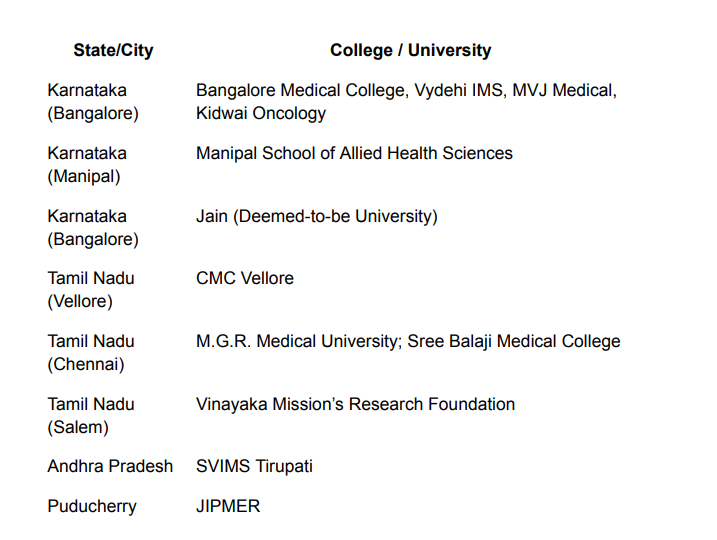
4. Which are the top colleges offering BSc Nuclear Medicine in South India?
Some top names include Bangalore Medical College, Vydehi Institute of Medical Sciences,
Manipal School of Allied Health Sciences, CMC Vellore, SVIMS Tirupati, and JIPMER
Puducherry.
5. What is the scope after completing BSc Nuclear Medicine?
Graduates can work as Nuclear Medicine Technologists in hospitals, cancer research institutes,
diagnostic centers, and government healthcare facilities. There is also strong demand abroad in
countries like UAE, UK, Canada, and Australia.
6. What is the average salary after BSc Nuclear Medicine in India?
Freshers can expect ₹3–5 LPA, and with experience, salaries can rise to ₹8–12 LPA, especially
for those working in private hospitals or overseas.
7. What is the difference between Nuclear Medicine and Radiology?
Radiology focuses on imaging anatomy using X-rays, MRI, or CT scans, while nuclear medicine
provides functional imaging using radioactive tracers to assess organ activity.
8. Is there placement assistance after the course?
Yes. Most colleges have tie-ups with reputed hospitals like Apollo, Fortis, HCG Cancer
Centre, and Narayana Health. Overseas placement guidance is also available for eligible
graduates.
9. What is taught in BSc Nuclear Medicine?
Key subjects include Radiation Physics, Radiopharmaceuticals, PET/SPECT Imaging, Anatomy,
Physiology, Pathology, and Radiation Safety, along with hands-on training.
10. Why choose Bangalore for studying BSc Nuclear Medicine?
Bangalore offers top AERB-approved colleges, advanced cancer care hospitals, and excellent
internship opportunities, making it a preferred destination for this course.